

The Fundamentals Playbook: How to Read the Market Like a Pro

Introduction: Fundamentals Rule Everything
Most new traders focus on charts, thinking technical analysis is all they need. Wrong. Fundamentals move the market. The sooner you understand that, the sooner you'll stop being confused by price action that "shouldn’t" happen.
In this guide, I’ll break down everything you need to know about fundamental trading—without fluff, without long-winded explanations, just what actually matters. By the end, you'll know exactly how to use fundamentals to predict market moves with confidence.
Chapter 1: What Are Fundamentals & Why Should You Care?
Every price move in the market happens for a reason. Fundamentals = the real reasons behind market moves.
Why Do Fundamentals Matter?
Technical traders react to charts, but fundamental traders understand why the charts move in the first place. Knowing what drives price action gives you an edge, preventing you from getting caught in unexpected market swings.
Example:
Imagine EUR/USD is dropping hard. A technical trader sees a "breakout." A fundamental trader checks the news and sees that the European Central Bank (ECB) just hinted at cutting interest rates. That’s why price is moving.
Key Takeaway: Fundamentals tell you the why behind every move, allowing you to anticipate market direction before it happens.
Chapter 2: The 3 Most Important Fundamental Drivers
There are many factors that influence the market, but only three truly matter when it comes to trading fundamentals:
1️⃣ Interest Rates: The Biggest Market Mover
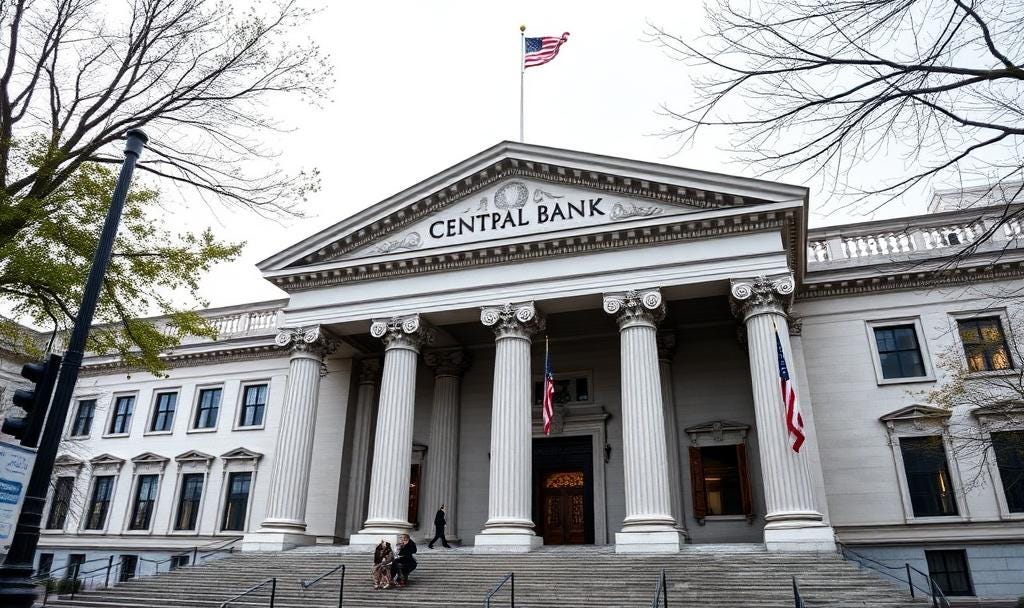
Interest rates are the cost of borrowing money and the reward for saving money. They are set by central banks (like the Federal Reserve or the ECB) to control economic stability.
Why Do Interest Rates Matter?
Higher interest rates = stronger currency (Investors want a better return).
Lower interest rates = weaker currency (Less incentive to hold the currency).
💡 Example: If the Federal Reserve raises interest rates, USD will likely gain strength because investors will move their money into U.S. assets. If the Bank of Japan keeps rates low, JPY will likely stay weak as investors look for better returns elsewhere.
🔹 Pro Tip: Always check the interest rate differentials between two currencies. The one with the higher rate will usually be stronger.
2️⃣ Inflation: The Silent Market Killer
Inflation is the rate at which prices of goods and services increase over time. High inflation erodes purchasing power, while low inflation can indicate weak economic activity.
Why Does Inflation Matter?
High inflation = central banks raise interest rates (to slow down spending).
Low inflation = central banks cut interest rates (to boost economic growth).
💡 Example: If UK inflation is high, the Bank of England may raise rates, boosting GBP strength. If Eurozone inflation is low, the ECB may cut rates, weakening the EUR.
🔹 Pro Tip: Keep an eye on Consumer Price Index (CPI) reports. If inflation is higher than expected, the currency usually strengthens.
3️⃣ Employment Data: The Market’s Report Card
One of the biggest market-moving reports is Non-Farm Payrolls (NFP) in the U.S. It shows the strength of the job market, which directly impacts economic stability.
How Employment Data Affects the Market
Strong job numbers = strong economy = possible rate hikes = stronger currency.
Weak job numbers = weak economy = possible rate cuts = weaker currency.
💡 Example: If NFP beats expectations, USD often strengthens. If NFP misses badly, USD tends to weaken.
🔹 Pro Tip: The market often reacts more to expectations vs. actual numbers rather than just the numbers themselves.
Chapter 3: How News Impacts Price Action
Ever seen a pair move 100+ pips in seconds and wondered what just happened? That’s news.
🔹 High-impact news events = massive volatility. If you don’t know what’s coming, you’re trading blind.
How to Stay Ahead of Market News
✅ Check an economic calendar daily (Forex Factory, Investing.com).
✅ Know which events impact your pairs the most (NFP, CPI, Interest Rate Decisions).
✅ Don’t enter trades right before high-impact news unless you’re prepared for volatility.
💡 Example: If you see GBP/USD spike suddenly, and you check the calendar to find that the Bank of England just announced a surprise rate hike, that explains the move.
🔹 Pro Tip: The best traders position themselves before news hits, not after.
Chapter 4: The Fundamentals Cheat Sheet (What to Watch for Each Currency)
Each currency reacts differently to economic data. Here are the most important fundamental drivers for each:
📌 USD (U.S. Dollar) – NFP, FOMC rate decisions, CPI, GDP.
📌 EUR (Euro) – ECB policy decisions, inflation, German economic data.
📌 GBP (British Pound) – BOE rate decisions, inflation, employment reports.
📌 JPY (Japanese Yen) – BOJ policy, bond yields, risk sentiment.
📌 AUD (Australian Dollar) – RBA rate decisions, China data, commodity prices.
📌 CAD (Canadian Dollar) – Oil prices, BOC rate decisions, employment data.
🔹 Pro Tip: Align your fundamental bias with technical analysis for high-probability trades.
Chapter 5: How to Apply Fundamentals in Your Trading
Now that you understand fundamentals, here’s how to actually use them in your trades:
1️⃣ Find a strong fundamental bias (hawkish vs. dovish central banks).
2️⃣ Align it with technicals (key levels, trend confirmations).
3️⃣ Check for upcoming news events before entering a trade.
4️⃣ Manage risk – Fundamentals can be volatile, so always use proper risk management.
💡 Example Trade Setup:
The Federal Reserve signals rate hikes → Bullish USD bias.
EUR/USD approaches a key resistance level → Possible short entry.
Wait for price action confirmation, enter short, and hold with fundamentals backing your trade.
🔹 Pro Tip: Fundamentals give you direction, technicals give you entry & exit points.
Final Thoughts: Fundamentals Are the Edge Most Traders Ignore
Most traders lose because they’re only looking at charts. Fundamentals give you context, conviction, and an edge in the market.
Master these concepts, and you’ll trade with confidence, knowing why price is doing what it’s doing. 🚀